

Why Your Dog "Talks" Every Day... And You Don't Hear It (Until It's Too Late)
My "perfect" dog training record was shattered with four words.
"Your dog is having a hard time."
I stared at Dr. Elizabeth Richardson, DVM, DACVB, in disbelief. Max? The beautiful German Shepherd I'd raised from eight weeks old, spent over $1,500 on professional trainers for, and logged hundreds of hours training?
"But I've done everything right," I protested. "Three different trainers. Positive reinforcement. Daily exercise. Perfect obedience commands. Nothing works."
She leaned forward and said something that made my stomach drop.
"Sarah, 80% of dog owners don't recognize the warning signals their dog gives before snapping or biting — even experienced owners like you. And there's a hidden reason reactive dogs don't respond to traditional training."

Before you spend another dollar on training that doesn't work, see what 1,247 dog owners discovered about their "difficult" dogs.
Discover The Complete Guide ↓The 5 A.M. Walk Nobody Talks About
Six months before that video call, I was living a nightmare I couldn't tell anyone about.
Max was supposed to be perfect. Carefully chosen breeder. Trained since eight weeks old. Three obedience courses. Everyone told me, "If you do everything right, you'll get the perfect dog."
But every time we left the house, he transformed.
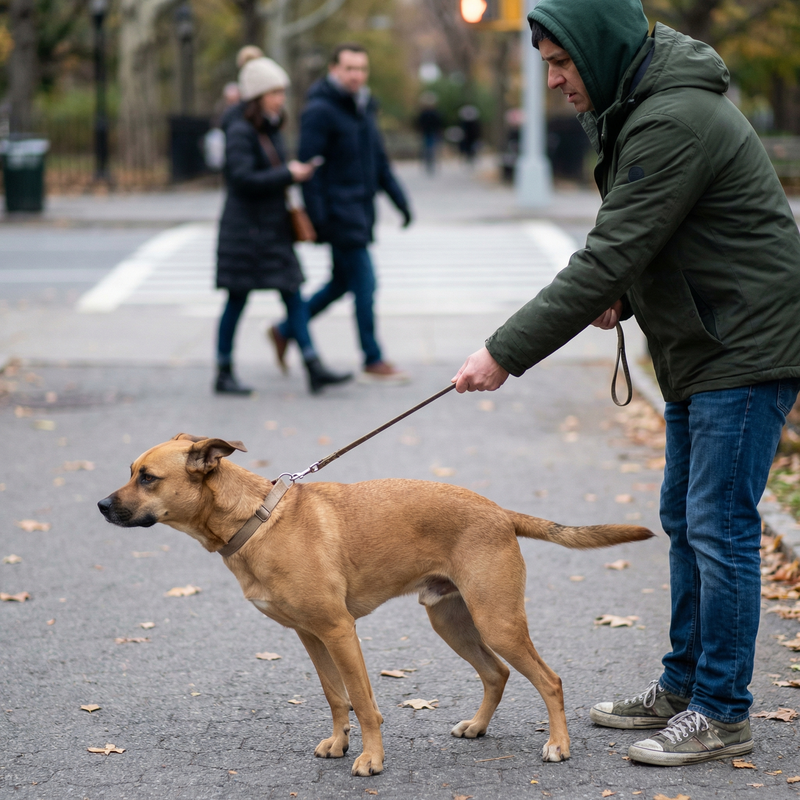
Another dog appeared? He lunged so hard I almost dropped the leash. People walked toward us? He snapped at the air. The mailman came to the door? He barked like he was ready to go through the window.
I started walking him at 5 a.m.
Not because I love early mornings. But because it was the only time I could walk my dog without feeling like the whole neighborhood was judging me.
I can still see the looks on people's faces as they crossed the street to avoid us. The whispers. The side‑eye. The way parents pulled their kids closer.
"That's an aggressive dog." "That owner can't control her dog." "That's dangerous."
The shame swallowed me whole.
The $1,500 Failure
I did what responsible owners are told to do — I hired help.
Trainer #1 said Max needed more exercise. So we walked over two hours a day.
Trainer #2 said I needed to be "more of a pack leader." I tried being firmer, more assertive, more in control.
Trainer #3 focused on positive reinforcement. We used treats, toys, clickers. Max learned 15+ commands perfectly — sit, down, stay, heel, place… you name it.
But the reactivity didn't go away. In some situations, it got worse.
I watched 47 YouTube videos. Joined 6 Facebook groups. Read dozens of blog posts. Everyone had a different answer:
- "He's dominant, you need to be stricter."
- "He's anxious, you need to desensitize him."
- "It's genetics, there's nothing you can do."
- "You just need to socialize him more."
After 18 months of trying everything, one thought kept creeping in: "Maybe I'm just a bad owner. Maybe I should give up."
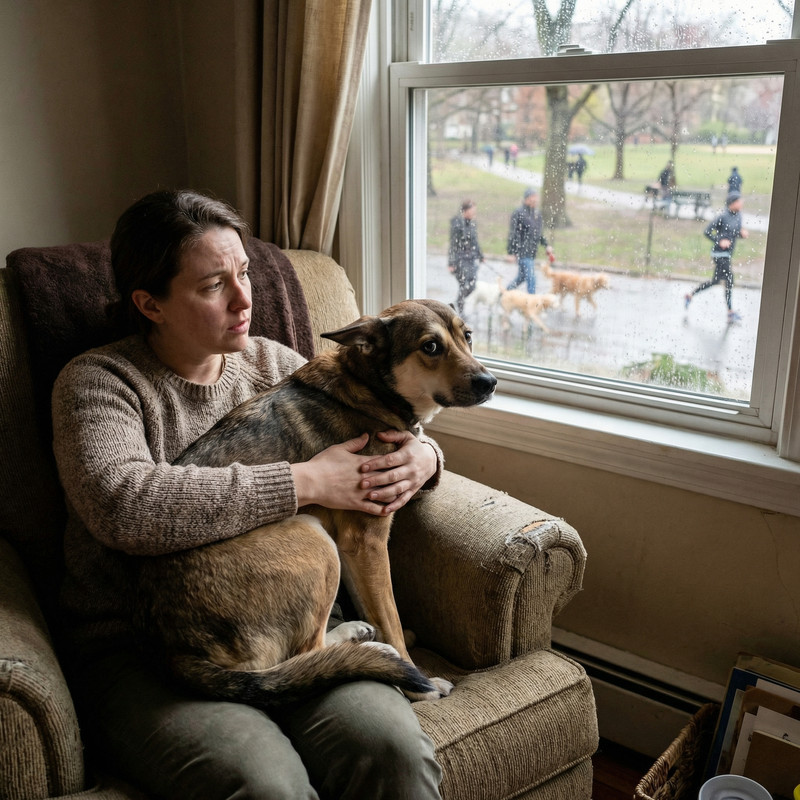
The isolation didn't happen overnight. It built up slowly.
A friend invited me to a dog‑friendly brunch — I said no, because I couldn't handle the anxiety of Max melting down in public.
My sister asked me to come to a family dinner — I said no, because I couldn't leave Max alone without feeling crushing guilt.
My boyfriend suggested a weekend trip — I said no, because the idea of leaving Max with anyone else made me panic.
One night he looked at me and said, "I feel like I’ve lost you."
He was right.
I had built my entire life around managing my dog's behavior… and I was still losing.
The Moment That Changed Everything
I wasn't even looking for solutions anymore. I’d quietly accepted that this was just my life now.
Then one afternoon, doom‑scrolling on my phone, I saw a post from Dr. Elizabeth Richardson — a board‑certified veterinary behaviorist who had spent over 15 years working with anxious and reactive dogs.
She was talking about something I’d never heard any trainer mention: "calming signals" and "warning behaviors."
She wrote: "Most dogs warn long before they snap. The problem is, most owners don't recognize the signals in time. By the time the dog bites or explodes, he's been communicating for minutes — sometimes hours."
I clicked her article.
What I read next flipped everything I thought I knew about dogs upside down.
The Translation Gap Nobody Talks About
Up until that point, I'd been obsessed with trying to control Max's behavior. Heel straighter. Sit faster. Ignore that dog. Focus on me.
Not once had anyone taught me how to actually read what he was trying to tell me.
When he saw another dog, he wasn't being "dominant," "stubborn," or "bad." He was scared. Overwhelmed. Begging for space.
But I didn’t speak his language. So I missed every warning — the stiff tail, the tight mouth, the pinned‑back ears, the yawning, the lip‑licking, the turning away.
By the time he exploded, it was never the start of his reaction — it was the final chapter of a story he'd been trying to tell me for ten minutes.
I was trying to train the symptom instead of understanding the cause.
All those expensive trainers had taught him new behaviors… but nobody had taught me to read what he was experiencing.
I realized something devastating: Nobody had ever taught me to understand my dog. They’d only taught me to make him obey.
The Shocking Truth No Dog Owner Is Told
After that first light‑bulb moment, I booked a virtual consult with Dr. Richardson.
On our call, she pulled up a series of clinical studies on canine behavior and owner perception.
• In one study, 80% of dog owners failed to recognize their dog's early warning signals before a bite incident.
• In countries where body‑language education is mandatory before adoption, reactive incidents drop by up to 73%.
• Traditional obedience‑only programs improved behavior in some dogs… but for reactive, anxious dogs, improvement was as low as 18% without owner education.
"We have it backwards," she said calmly. "We teach owners to control dogs before we teach them to understand them."
"Traditional obedience training," she explained, "was designed for confident, stable dogs. It was never meant to be the primary tool for treating anxiety‑driven reactivity."
"If we don't first teach owners to read what their dog is feeling, we're asking them to fix a problem they don't even understand."
Why Training Alone Fails Reactive Dogs
Here's the part nobody told me — and probably nobody told you either:
If your dog is reactive, he's not just "disobedient." He's scared, overwhelmed, or under so much stress his brain literally can't think.
You can teach a terrified dog to sit perfectly when another dog walks by. That doesn’t mean he's okay. It just means he's sitting while still panicking inside.
Eventually, the fear wins. The training falls apart. The explosion happens anyway.

The Language Your Dog Has Been Speaking All Along
At one point in our call, Dr. Richardson looked straight into the camera and said:
"Your dog isn't broken, Sarah. Your dog is communicating perfectly. You just don't speak the language yet."
Then she pulled up a few clips of Max from videos I'd sent her and started slowing them down frame by frame.
- Stiff, high tail: I thought it was confidence. She labeled it arousal and stress.
- Ears pinned back: I thought it was submission. She labeled it fear and discomfort.
- Tight, closed mouth: I assumed he was calm. She labeled it tension building.
- Yawning when not tired: I wrote it off as boredom. She called it a classic stress signal.
- Turning his head away: I thought he was being "stubborn." She called it a polite request for space.
- Frozen, rigid body: I saw "refusing to move." She saw a dog at his final warning before a reaction.
- Whale eye (whites of the eyes showing): I saw curiosity. She saw high stress.
- Lip licking with no food around: I didn't notice it at all. She saw a dog desperately trying to self‑soothe.
I'd been missing every single one of these signals — for three years.
The most important realization:
Your dog is not giving you a hard time. Your dog is having a hard time.
Once you can finally read what he's telling you, you can help him before he explodes — instead of punishing him after.
What Changed When I Started Understanding
Three months after I started actively learning to read Max's body language, I did something I hadn’t dared to do in years:
I took him for a walk at 11 a.m. on a Saturday.
Full daylight. Kids on scooters. Joggers. Dogs on flexi‑leashes. Everything that used to be a guaranteed disaster.
And for the first time in three years… nothing dramatic happened.
He noticed other dogs and then looked back at me. A skateboard rolled past and he flinched, but didn't explode. A child ran by and he simply watched.
For the first time, I felt like we could have a normal life.
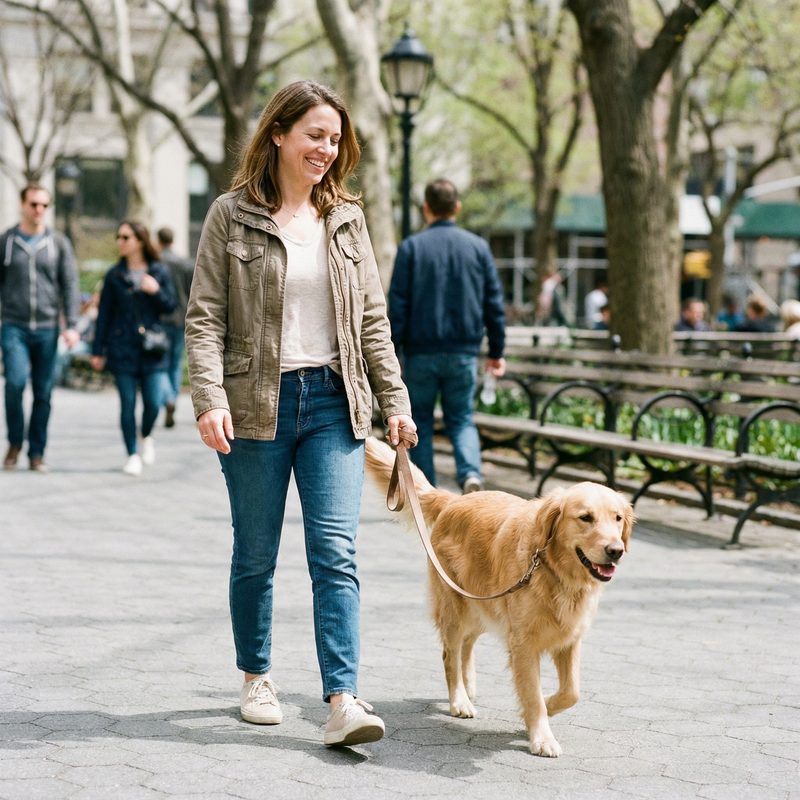
The isolation started to lift. I went to family dinners again. My boyfriend and I took a weekend trip. I met a friend for coffee and didn’t spend the whole time glued to my phone checking on Max.
Not because he magically turned into a different dog.
But because I finally understood him — and could help him before he reached his breaking point.
Join 1,247 dog owners who stopped fighting their dogs — and started understanding them instead.
Access The Complete Guide Now.
What's Inside "Understanding Your Dog's Language"
After working with Dr. Richardson and digging through research most owners will never see, I created the resource I wish someone had handed me on day one.
- 80+-page core guide: step‑by‑step breakdown of how dogs communicate, explained in plain English.
- Annotated photos: real‑world examples so you can instantly recognize what each signal looks like.
- Body Language Blueprint: a quick‑reference visual you can glance at before walks or social situations.
- Stress Escalation Map: the sequence of signals most dogs show before they snap — so you can step in early.
- Interactive Workbook: practice exercises that train your eyes and brain to spot signals automatically.
- Real‑World Scenarios: vet visits, dog parks, walks, guests, kids — and exactly what to look for in each.
- Personal Translation Toolkit: what each behavior usually means, and how to respond in a way that helps.
Your Investment (And Why It's Less Than One Training Session)
A single 60‑minute session with a qualified behavior professional can easily cost $120–$250 — and you'll still need multiple sessions.
This guide costs less than most people spend on treats and toys in a month — and you can revisit it for life.
Understanding Your Dog's Language
$47 $68
Instant digital access · Lifetime updates included
Get Instant Access — $47Real Results From Real Dog Owners
Frequently Asked Questions
Is this a training program?
No. This is not another "teach your dog to heel" course. This guide is about understanding your dog's body language and stress signals so that any training you choose afterward actually works better.
Will this help with my specific dog's issues?
If your dog struggles with reactivity, fear, anxiety, or stress‑based behaviors, yes. The body‑language signals covered here are universal across breeds and ages.
How fast will I see changes?
Most owners start noticing signals they'd never seen before within the first week. Behavior changes typically begin over 2–4 weeks as you start responding earlier and more appropriately to what your dog is feeling.
What format is it in?
It's a digital PDF you can read on your phone, tablet, or computer. You get instant access after checkout — no shipping, no waiting.
What if it doesn't work for me?
You're covered by a 30‑day 100% money‑back guarantee. If you don't feel more confident reading your dog after going through the guide, just email us within 30 days for a full refund.
P.S. Your dog isn't giving you a hard time — your dog is having a hard time. Once you learn to read what he's been trying to tell you all along, you can finally help him feel safe… and the behavior changes start to follow.
P.P.S. If you're even thinking about rehoming your dog because you feel like you've tried everything, please try this first. Most of the time, the missing piece isn't more training — it's better understanding.
- Choosing a selection results in a full page refresh.
- Opens in a new window.